avoiding beginner errors in your new wood sauna setup
Setting up a wood sauna can be an exciting project, but it often comes with a learning curve. Many beginners encounter several common pitfalls that can affect the efficiency and enjoyment of their sauna experience. Whether you're building one from scratch or purchasing a pre-fabricated unit, understanding the potential errors can save you time and money, ensuring you have a relaxing retreat at home.
Choosing the Wrong Location
One of the first mistakes new sauna owners make is selecting an inappropriate location. Ideally, your sauna should be placed in a sheltered area that is easily accessible yet provides privacy. Consider a flat surface for stability, and avoid areas prone to flooding or excessive wind. Make sure to account for drainage as well; you don’t want water pooling around your sauna after a rainy day.
Ignoring Ventilation Needs
Proper ventilation is crucial for maintaining a comfortable environment in your sauna and preventing dampness. Many beginners overlook the importance of installing vents. Your sauna should have an intake and an exhaust vent to allow fresh air in and let stale air out. A good rule of thumb is to position the intake vent low down and the exhaust vent higher up, ensuring a continuous flow of air. Failure to ventilate correctly can lead to issues with humidity and mould.
People Also Look For:
- Passive Essential Oil Diffuser Stone, Small Lava Rock Diffuser Set Aromatherapy Stone for Desk Office Home Car & Gift-Giving, Comp...
- majusaccessory 3000W 1 Person At Home Sauna, Traditional Indoor Sauna Barrels, Canadian Centennial Hemlock Wood Sauna with Bluetoo...
- ALPENHAUCH Sauna Headrest Wooden [100% Natural Wood] - Ergonomic Sauna Headrest Wood - Elegant Sauna Accessories Infrared Cabin - ...
- Operitacx Sauna Wooden Bucket Small Wood Sauna Accessory Bucket for Spa and Gym, Multifunctional Water Pail for Optimal Steam Dist...
- HEALLILY Traditional Wooden Sauna Bucket and Ladle Set, Solid Wood Sauna Barrel with Ergonomic Handle & Long Ladle for Steam Room,...
Using Inappropriate Materials
Choosing the right wood is essential for the durability and functionality of your sauna. Beginners sometimes opt for affordable woods that are not suitable for high heat and humidity conditions. Woods like cedar, spruce, and hemlock are excellent choices due to their natural resistance to decay and pleasant aroma. Avoid using treated wood, as chemicals can release harmful fumes when heated. Always ensure the wood is properly dried and treated to withstand sauna conditions.
Overlooking Insulation
Effective insulation is vital for maintaining temperature and efficiency. Many beginners fail to properly insulate their saunas, leading to higher energy costs and longer heating times. Ensure that your sauna walls and ceiling are insulated with appropriate materials, such as mineral wool or fibreglass, which can withstand high temperatures. Do not forget to insulate the floor as well to prevent heat loss.
Installing Inadequate Heating Elements
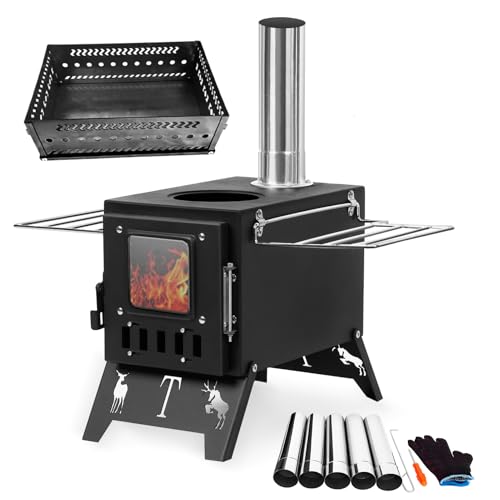
Choosing the right heating element is crucial for the performance of your sauna. Many new sauna owners underestimate the importance of power requirements. Electric heaters typically require about 1 kW of power per 1.5 m³ of sauna space. Inadequate heating can lead to an unsatisfactory sauna experience. If you’re installing a wood-burning stove, make sure it is correctly sized for your sauna dimensions. Consult with an expert if unsure.
Neglecting Maintenance
Once your sauna is up and running, it is easy to forget about maintenance. Regular upkeep is essential for longevity and performance. Clean the interior of your sauna every month, focusing on the benches, walls, and flooring to prevent a build-up of dirt and bacteria. Also, check the heating elements and ventilation systems regularly to ensure they are functioning optimally. Remember to replace the sauna stones every few years, as they can wear out and lose their heat-retaining properties.
Forgetting About Safety
Safety should be a priority when setting up your sauna. Make sure to install a smoke detector nearby and keep a fire extinguisher on hand. Avoid placing flammable materials too close to heating elements, and ensure that all electrical work adheres to local building codes and regulations. Additionally, educate yourself and any users about safe sauna practices, such as staying hydrated and recognising the signs of overheating.